Bespoke Software
What LifeRunner looks like today, and the rise of custom-built software.
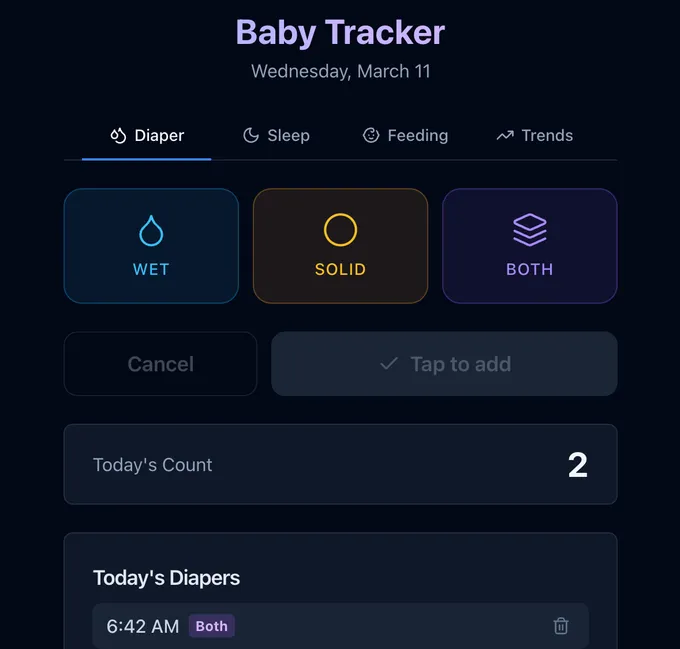
Here are some snapshots of what LifeRunner looks like today.
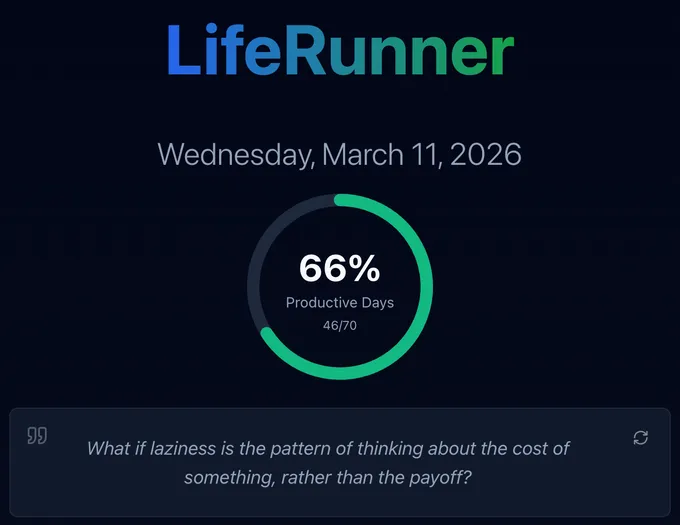
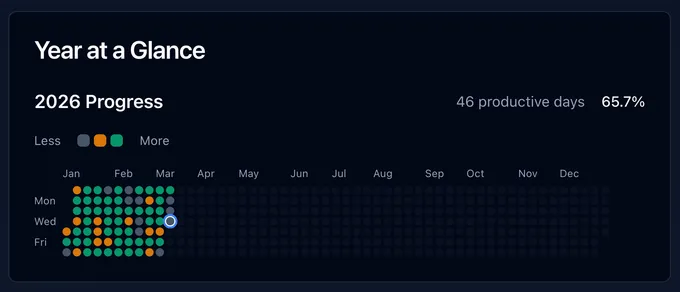
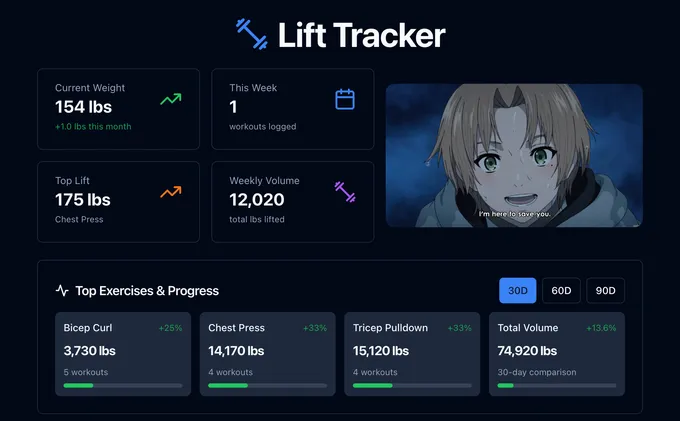
It’s not one app. It’s a small collection of tools that happen to share a login and a design system:
- A daily tracker that fits my specific criteria
- A workout logger that’s quick on mobile and detailed on desktop
- A finance dashboard that pulls our household spending into one place and nudges me when something is drifting
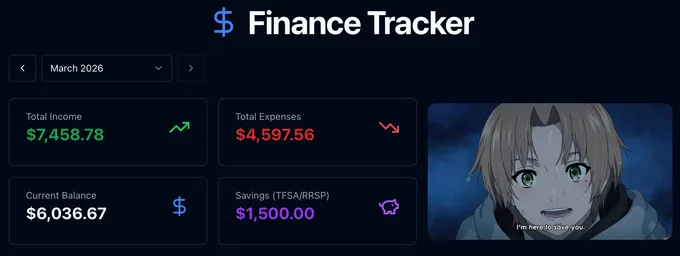
- And a newborn tracker I built when the baby came, because my life changed, so the software did too
- Fun personal touches like rotating quotes and screenshots from film and TV that I’ve saved over the years
That’s the point. Everything is where I put it, because I’m the only person who needs to find it. But the more interesting thing isn’t what I built. It’s that I’m not the only one doing this.
A few months into building, my Threads feed started to shift. The algorithm picked up the scent. Suddenly I was seeing model debates, configuration tips, and people casually sharing their setup files like they were trading recipes. Mixed into that noise was a quieter trend I couldn’t unsee: regular people building software for themselves.
A gym tracker. A meal planner. A personal finance view that looks better than Mint ever did. A custom CRM for a landscaping business built over a weekend. Not startups, not products; just people closing small gaps in their own lives. Casey Newton recently talked about building his website in a couple of hours after trying Claude Code for the first time. That’s the energy I’m starting to see everywhere.
I wasn’t unique. If anything, “build your own habit tracker” might be the most common private project on the internet right now. These are problems that were never worth solving at scale, but they’re worth solving for one person.
Of course, there are tradeoffs. The code is fragile, the testing is light and sometimes the app breaks because I told a model to “clean it up” and it took that personally. But you learn quickly and you build guardrails. You start to understand what a guardrail even is in the first place.
On the work side, I see this same shift. The skills that let me build a personal dashboard are the same ones I use every day in customer success: describing what software should do, identifying which problems are worth solving, and being specific about the gap between what exists and what’s needed. LifeRunner isn’t proof of anything grand. It’s just a small, practical window into what happens when those skills meet better tools.
I started logging my habits in spreadsheets because I wanted to better track my mental and physical health during Covid. After exploring the current generation of AI tools without any formal technical knowledge, I’ve ended up with bespoke software that runs my household.
These tools will keep changing. The impulse that drives creation won’t. When something you need doesn’t exist, you build it.
Now more people can.